
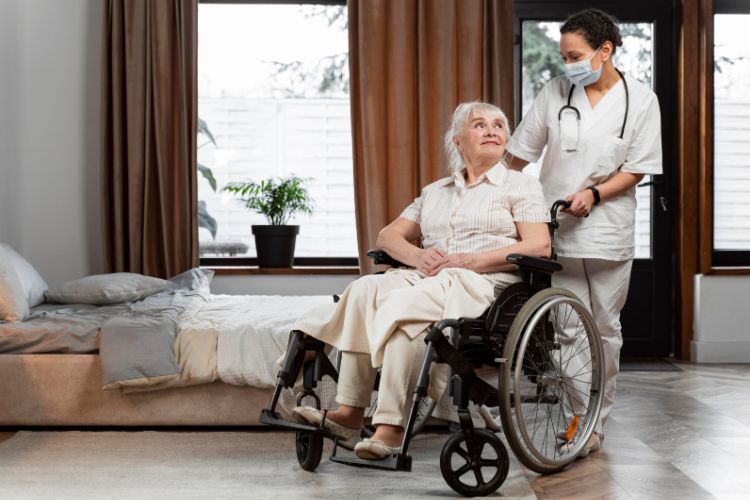

Choosing a senior care facility isn’t only about medical support or amenities it’s about preserving a sense of belonging. In Santa Clara, where families often juggle demanding schedules, staying involved in an older loved one’s care can feel challenging. Yet time and again, active family participation proves to be one of the strongest factors shaping happiness, health, and dignity in later life.
Across many senior care facilities in Santa Clara, staff members consistently observe that residents with engaged families adapt faster, feel more secure, and maintain stronger emotional well-being. Family involvement doesn’t need to be perfect or constant it just needs to be present and intentional.
Emotional Security Starts With Familiar Faces
Moving into a senior care facility can feel like stepping into a new country. The routines are different, the faces are unfamiliar, and independence may feel altered. Family visits whether weekly lunches or simple check-in calls—act as emotional anchors.
According to research summarized by the National Institute on Aging (nia.nih.gov), older adults who maintain strong family and social ties experience lower rates of depression and anxiety. Reworded plainly: knowing someone is consistently “in your corner” changes how aging feels.
Small Gestures That Make a Big Difference
- Bringing familiar items from home, like photos or favorite books
- Celebrating birthdays or cultural traditions together
- Sharing family updates that keep seniors feeling included
Better Communication Leads to Better Care
Family members often know subtle details about a senior’s preferences, habits, and history that may not appear in medical charts. When families actively communicate with caregivers, care becomes more personalized and responsive.
Midway through a care journey, collaboration with a trusted senior care service can significantly improve outcomes. Families who attend care meetings or ask thoughtful questions help bridge the gap between clinical routines and real-life comfort.
How Family Input Improves Daily Care?
- Staff learn early warning signs of discomfort or stress
- Care plans reflect personal routines, not generic schedules
- Residents feel heard, not managed
Strengthening Cognitive and Physical Health
Family engagement isn’t only emotional t’s physical and cognitive too. Regular interaction stimulates memory, conversation, and movement. A walk around the courtyard with a daughter or a card game with a grandchild naturally encourages activity.
The Centers for Disease Control and Prevention (cdc.gov) emphasizes that social engagement supports cognitive health and can slow functional decline. In everyday terms, meaningful interaction keeps the mind alert and the body moving.
Building Trust Between Families and Facilities
When families stay involved, trust grows on both sides. Caregivers feel supported rather than scrutinized, and families gain confidence that their loved one is truly known not just cared for.
In Santa Clara assisted living and memory care communities, this partnership often results in smoother transitions during health changes, fewer misunderstandings, and a more positive overall experience for everyone involved.
Ways Families Can Stay Involved (Even When Busy)
- Schedule recurring virtual or in-person visits
- Participate in facility events or care planning sessions
- Maintain open, respectful communication with staff
FAQs
1. How often should families visit senior care facilities?
There’s no fixed rule, but consistency matters more than frequency. Even regular calls or monthly visits can make a noticeable difference.
2. Can family involvement really improve health outcomes?
Yes. Studies from organizations like the CDC show that social engagement supports emotional and cognitive health in older adults.
3. What if family members live far from Santa Clara?
Virtual visits, shared care apps, and regular communication with caregivers help families stay involved despite distance.
4. Do senior care facilities welcome family participation?
Most do. In fact, many facilities encourage collaboration because it leads to more personalized, effective care.
Final Thoughts
Family involvement isn’t about supervision it’s about connection. In Santa Clara senior care facilities, engaged families help transform care from a service into a shared journey. When seniors feel supported by both professionals and loved ones, aging becomes less about loss and more about continuity.