
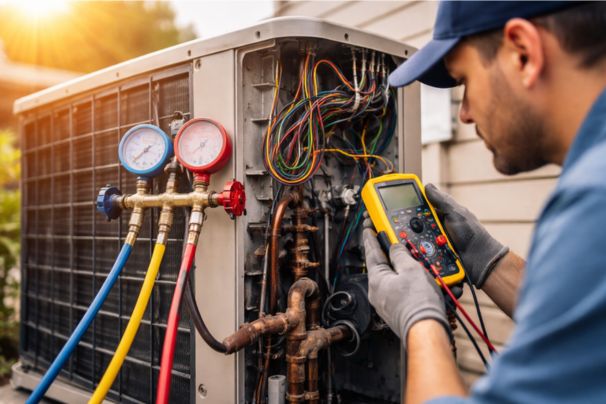

It always seems to happen at the worst possible moment. The temperature climbs, the air feels heavy, and suddenly your AC gives up. An unexpected breakdown can turn a normal day into a stressful one, especially in hot climates. Knowing how to respond during an AC repair emergency can save time, money, and a lot of discomfort.
In many homes, the first instinct is panic. But before you rush into calling for an ac repair emergency, it helps to understand what might have gone wrong. Some issues are minor and fixable on the spot, while others genuinely need professional attention.
What Actually Counts as an AC Emergency?
Not every AC problem is an emergency, even if it feels urgent in the moment. An emergency usually means the system has failed completely, is creating a safety risk, or is actively causing damage to your home. For example, warm air during peak summer, burning smells, or water leaking near electrical components are all red flags.
According to data summarized by the U.S. Department of Energy (energy.gov), poorly maintained systems are far more likely to fail during extreme heat. That explains why emergencies spike during heatwaves, when AC units are already under stress.
Also Read: How to Handle an Unexpected Pipe Burst Without Panic
Common Causes Behind Sudden AC Breakdowns
Most AC emergencies don’t come out of nowhere. They’re usually the result of small, ignored issues that finally reach a breaking point. Below are some of the most common culprits homeowners face.
1. Clogged or Dirty Air Filters
This might sound too simple, but a clogged filter can choke your entire system. Restricted airflow forces the unit to work harder, leading to overheating and sudden shutdowns. In many emergency calls, replacing a filter immediately restores cooling.
2. Thermostat Problems
Sometimes the AC itself isn’t broken at all. Dead batteries, incorrect settings, or faulty wiring in the thermostat can make it seem like the system has failed. Before assuming the worst, double-check the thermostat and try resetting it.
3. Refrigerant Leaks
Low refrigerant levels are a serious issue. If your AC is blowing warm air or making hissing sounds, a leak could be the reason. This is not a DIY fix and often triggers a full AC repair emergency call due to health and efficiency concerns.
4. Electrical or Capacitor Failure
Capacitors help start the motor and keep it running. When they fail, the AC may not turn on at all. Electrical issues are common in older units and should be handled carefully to avoid further damage or safety risks.
Quick Fixes You Can Try Before Calling a Technician
Before picking up the phone, there are a few safe checks you can perform. These won’t solve every problem, but they can rule out simple causes and potentially get your system running again.
- Turn the system off for 10–15 minutes, then restart it to reset internal sensors.
- Check the circuit breaker to see if the AC has tripped.
- Replace or clean the air filter if it looks dirty.
- Ensure vents are open and not blocked by furniture or curtains.
If none of these steps work, continuing to run the system could make things worse. That’s usually the point where professional help becomes essential.
Why AC Emergencies Often Reveal Plumbing Issues
Many homeowners are surprised to learn how closely AC systems are tied to plumbing. Condensate drain lines can clog, causing water to back up and leak indoors. In such cases, an emergency local plumber in Dubai may be just as important as an AC technician.
Water damage from a blocked drain line can spread quickly, affecting walls, ceilings, and even electrical systems. Coordinating AC repair with a reliable plumbing service in Dubai often prevents a minor issue from turning into a costly renovation.
Preventing the Next AC Repair Emergency
The best emergency is the one that never happens. Regular maintenance dramatically reduces the risk of sudden breakdowns, especially during peak summer months.
- Schedule professional servicing at least once a year.
- Change air filters every 1–3 months, depending on usage.
- Keep the outdoor unit clean and free from debris.
- Address unusual noises or smells immediately.
Studies referenced by ASHRAE (ashrae.org) suggest that well-maintained HVAC systems can last several years longer than neglected ones, with far fewer emergency repairs.
FAQs
How do I know if my AC problem is an emergency?
If your AC has stopped completely, is blowing hot air in extreme heat, leaking water near electrical areas, or producing burning smells, it qualifies as an emergency and needs immediate attention.
Can running a broken AC cause more damage?
Yes. Continuing to operate a faulty system can damage compressors, increase repair costs, and even create safety hazards. It’s best to shut it off until inspected.
Are AC emergencies more common during summer?
Absolutely. High demand and constant operation during hot months put extra strain on systems, making failures more likely.
Should I call a plumber for AC water leaks?
In many cases, yes. Blocked or damaged drain lines are plumbing-related and may require professional plumbing support alongside AC repair.
Final Thoughts
An AC breakdown doesn’t have to spiral into chaos. Understanding common causes, trying safe quick fixes, and knowing when to call professionals can turn an AC repair emergency into a manageable situation. With a little awareness and regular care, you can stay cool, calm, and prepared—even when your AC decides to take an unexpected break.
Also Read: Strong Homes Start With Reliable Plumbing
Blog Development Credits
This blog was a team effort fueled by smart ideas. Go Fix Dubai picked the topic. Most content was crafted using tools like ChatGPT and Google Gemini.


