
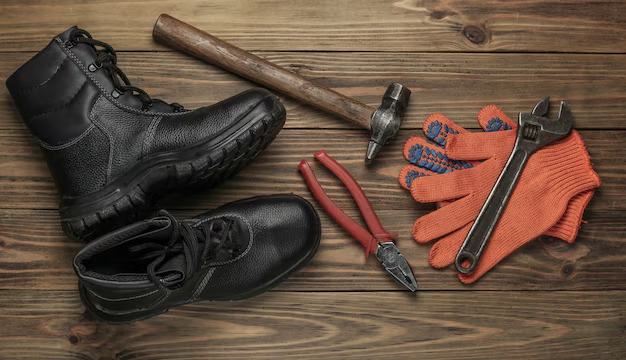

In many Saudi workplaces—whether it’s construction in Riyadh or warehousing in Dammam-foot injuries rarely get the attention they deserve. Yet they quietly remain one of the most disruptive and costly hazards. So, why do so many businesses still underestimate them, despite advanced safety standards?
Part of the issue lies in perception. Foot risks seem “basic,” so they often get pushed behind more obvious dangers like machinery accidents or falls. But as companies improve overall safety, simple oversights stand out even more. This is where proper foot protection becomes not just recommended—but essential.
Why Foot Injuries Are More Common Than Most Think?
You’d think injuries to the foot would be easy to prevent, but the reality on the ground tells another story. According to the U.S. Bureau of Labor Statistics (bls.gov), thousands of workers are incapacitated each year due to foot-related incidents. Most of these could have been avoided with basic safety gear or small improvements to daily work practices.
In the Kingdom, industries like logistics, oil & gas, and construction see constant foot-traffic around heavy equipment and moving loads. When small lapses occur—an unsecured pallet or a dropped tool—the foot is usually the first point of impact.
The Everyday Risks That Go Unnoticed
- Falling objects: Even a small metal tool can cause fractures if steel toes aren’t worn.
- Slips on oily or sandy surfaces: Extremely common in industrial zones and outdoor sites.
- Long hours on hard ground: Chronic foot fatigue often leads to long-term musculoskeletal issues.
Ironically, these issues feel “minor” to many teams—until an accident happens. That’s usually when companies realize how easily productivity can collapse from a small foot injury.
Why Foot Hazards Stay Underestimated?
After speaking with safety consultants in the Gulf region, there’s a recurring pattern: workers often feel overconfident. They assume they won’t get hurt because they’re “careful enough.” Add to that the discomfort of cheap or poorly fitted safety footwear, and compliance drops fast.
There’s also the business angle. Many decision-makers understandably prioritize high-risk equipment or operational hazards first. But foot-related downtime adds up silently. Healthcare fees, replacement staffing, schedule delays—they all compound.
Real-World Factors That Contribute to Neglect
- Limited awareness: Teams aren’t always trained specifically on foot injury scenarios.
- Budgeting biases: Safety footwear seems like a “small” expense, so quality is often compromised.
- Climate considerations: In Saudi Arabia’s heat, uncomfortable boots lead to workers avoiding them.
This is where brands such as Roadmate Shoes have gained attention—they strike a balance between durability, comfort, and weather-resistant design, all crucial for local work environments.
What Saudi Workplaces Can Do Better?
To seriously reduce workplace injuries, companies need to treat foot safety with the same level of importance as head, eye, and respiratory protection. Investing in durable safety shoes, slip-resistant flooring, and routine awareness training can drastically cut incidents.
Here are a few practical, high-impact steps:
- Choose footwear based on specific job risks—not just price.
- Implement monthly tool-box talks focused on everyday hazards.
- Audit walking paths and storage zones to remove debris, cables, or uneven surfaces.
When companies in Saudi Arabia proactively combine quality gear, consistent communication, and worksite design improvements, foot injuries quickly drop from their statistics. It’s a long-term investment, but one that pays off with fewer sick leaves, higher morale, and better operational flow.
FAQs
1. What are the most common workplace foot injuries?
They typically include crush injuries, punctures from sharp objects, sprains, strains, and slips caused by uneven or oily surfaces. Most of these incidents are preventable with proper footwear and better housekeeping.
2. Why are foot injuries often underestimated?
Because they seem “small” compared to machinery or electrical hazards. However, they account for extensive downtime and long-term medical issues when ignored.
3. What type of safety shoes should workers in Saudi Arabia use?
Footwear with impact resistance, slip-resistant soles, and breathable materials works best for the region’s climate and industrial environment.
4. Do foot injuries really affect productivity?
Absolutely. Even minor injuries can sideline a worker for days, forcing teams to reshuffle duties and slowing down critical operations.
Final Thoughts
Foot injuries may look insignificant at first glance, but they remain one of the most persistent and preventable workplace hazards. For Saudi businesses striving for higher safety standards, giving foot safety equal attention is a simple yet powerful step forward.
Full Audio: Listen Here