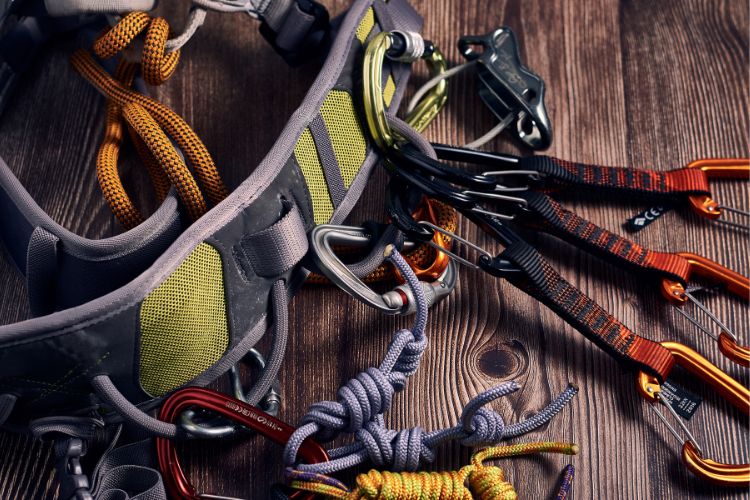

Walk onto any active construction or infrastructure site and you’ll notice one thing immediately work rarely stays on the ground. From elevated slabs to bridge decks and steel frameworks, height is part of the job. That’s why fall protection isn’t optional anymore; it’s fundamental to how today’s projects are planned, executed, and completed safely.
At the center of this safety system is the Full Body Harness. In construction and infrastructure projects, it serves as the last line of defense when everything else rails, nets, or procedures fails.
Why Fall Protection Is Non-Negotiable in Construction?
Falls remain one of the leading causes of serious injuries and fatalities in construction worldwide. The U.S. Occupational Safety and Health Administration notes that falls account for roughly one-third of construction-related deaths each year (osha.gov). While regulations differ by country, the underlying risk is universal.
Infrastructure projects raise the stakes even higher. Bridges, flyovers, transmission towers, and industrial plants often involve uneven surfaces, changing elevations, and long exposure at height. In these environments, relying on balance alone is not a strategy it’s a gamble.
How Full Body Harnesses Work on Real Job Sites?
A full body harness is designed to distribute fall forces across the strongest parts of the body thighs, pelvis, chest, and shoulders. This reduces the risk of serious injury if a fall occurs and keeps the worker upright after arrest.
Key Situations Where Harness Use Is Critical?
- Working on scaffolding, formwork, or incomplete structures
- Steel erection and rebar installation at elevation
- Bridge construction and maintenance activities
- Roofing, cladding, and facade installation
In practice, harnesses are rarely used alone. They’re part of a system that includes lanyards, lifelines, anchors, and connectors—each selected based on task, height, and movement range.
Choosing the Right Harness for Construction Work
Not all harnesses are created equal. A harness designed for tower climbing may not suit slab shuttering or bridge inspection. Comfort, adjustability, and durability matter more than many first-time users expect.
- Fit and adjustability: Poorly fitted harnesses lead to discomfort and non-compliance.
- Attachment points: D-rings must match the work position and fall arrest needs.
- Material durability: Construction environments are rough—abrasion resistance matters.
Midway through most large projects, safety managers realize that equipment acceptance improves when workers feel secure and unrestricted in their movements.
Training Makes the Difference Between Equipment and Safety
This is where many projects stumble. Providing equipment without training is like handing over a vehicle without explaining the brakes. Workers must understand not only how to wear a harness, but how it behaves during a fall.
Proper training typically covers:
- Correct donning and adjustment of the harness
- Safe connection to anchor points
- Pre-use inspection and damage checks
In active construction zones, refresher training is just as important as initial induction—especially as site conditions evolve.
Beyond Construction: Learning from Other High-Risk Sectors
Interestingly, construction has borrowed many best practices from other height-intensive industries. The telecom and renewable energy sectors, for example, operate almost entirely at elevation. Their approach to redundancy and planning has influenced modern construction safety systems.
For a broader perspective, this article How Does Fall Protection Support the Telecom and Wind Energy Sectors? offers useful insights that apply surprisingly well to infrastructure projects.
Integrating Safety Harnesses into Daily Site Culture
The most successful sites treat fall protection as routine, not reactive. Supervisors lead by example, inspections are habitual, and the Safety Harness becomes just another essential tool—like a helmet or safety boots.
When harness use is normalized, compliance rises naturally, and incidents drop quietly but consistently.
FAQs
1. When is a full body harness mandatory on construction sites?
A harness is typically required when working above a specified height where guardrails or other protections are not feasible.
2. Can one harness be used for all construction tasks?
Not always. Different tasks may require different attachment points or additional positioning features.
3. How often should a harness be inspected?
Harnesses should be visually checked before each use and formally inspected at regular intervals.
4. Does wearing a harness eliminate fall risk?
No. Harnesses reduce injury severity but must be part of a complete fall protection system.
Final Thoughts
Construction and infrastructure projects will always involve working at height that won’t change. What can change is how well risks are managed. When full body harnesses are selected thoughtfully, used correctly, and supported by training, they stop being just safety gear and start becoming life-saving systems.