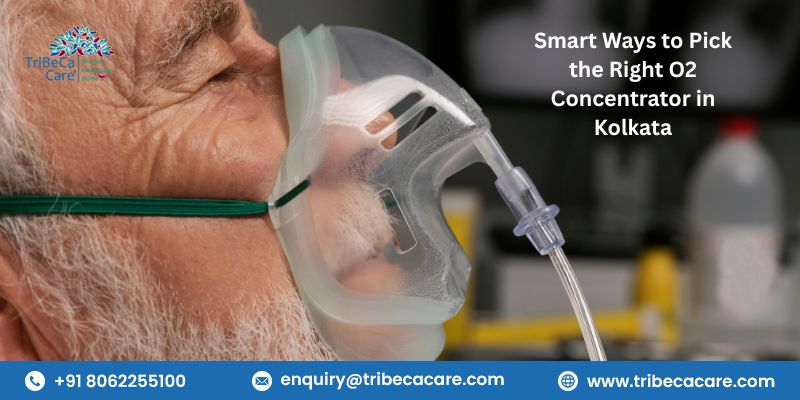

Choosing an oxygen concentrator can feel overwhelming—especially when you’re juggling health needs and a tight budget. In a city like Kolkata, where families often seek reliable home-care solutions, understanding how to select the right device becomes even more important. Many people also compare the O2 concentrator price in Kolkata early in their research, but cost alone can’t be your deciding factor.
So, how do you make a smart, informed choice without overshooting your budget? Let’s break it down through simple logic, real-world examples, and a bit of expert insight.
Why Choosing the Right O2 Concentrator Matters?
Oxygen concentrators aren’t one-size-fits-all. A person recovering from pneumonia may need a completely different setup compared to a senior citizen dealing with chronic COPD. The wrong device may not deliver enough oxygen, may overheat during Kolkata’s humid summers, or may simply break down due to poor build quality.
According to a study published by the U.S. Department of Health & Human Services (hhs.gov), home oxygen usage has increased steadily over the years as more patients shift to home-care recovery. This trend is clearly visible in Kolkata too, where home medical equipment has become a necessity rather than a luxury.
Understand the Types: Portable vs. Stationary
Before you compare models, ask yourself: “Where will this device be used most?” If your loved one moves around or travels frequently, a lightweight portable concentrator works better. But for continuous oxygen therapy at home, a stationary model (usually more affordable) might be ideal.
Portable Concentrators: Great for Mobility
- Lightweight, usually 2–4 kg
- Battery-powered (perfect during power cuts)
- Pulsed oxygen delivery—good for mild to moderate oxygen needs
Stationary Concentrators: Best for Long-Term Use
- Higher oxygen output (up to 5–10 LPM)
- More durable and budget-friendly
- Ideal for seniors needing consistent therapy
If seniors at home need regular oxygen support, it’s also useful to read about How Can Medical Oxygen Devices Help Senior Citizens?. This can give you more clarity before buying.
Budgeting Smartly: What Affects the Cost?
Prices may vary depending on brand, oxygen output, warranty, and added features like noise reduction or digital indicators. Instead of chasing the cheapest model, focus on the device’s reliability. After all, this isn’t just a gadget—it’s a life-support tool.
Top Factors That Influence Cost
- Flow rate: Higher LPM usually means a higher price.
- Technology: Pulse-flow models cost less than continuous-flow ones.
- Brand reputation: Known brands often provide better after-sales service.
- Warranty duration: A longer warranty may save repair costs later.
Check the Features That Truly Matter
For Kolkata’s weather and lifestyle, some features are must-haves. For instance, noise levels matter when you live in compact apartments where the concentrator runs through the night. Similarly, stable performance during humidity is crucial.
- Noise level: Under 50 dB is ideal.
- Heat management: Look for concentrators with improved cooling systems.
- Power backup: Useful during monsoon power cuts.
- Filter quality: Better filters mean cleaner, safer oxygen.
And while researching home-care medical devices, people often compare related products like the wheel chair price in Kolkata to plan their budget more efficiently.
Where to Buy an O2 Concentrator in Kolkata?
You can buy them from medical equipment stores in areas like Golpark, Dalhousie, or Salt Lake, but many families prefer home-delivery services from trusted healthcare providers. Always check:
- After-sales support
- Service availability in Kolkata
- Return or replacement policies
- Whether installation support is provided
Also, look for sellers who offer trial demos. A five-minute demo can reveal more about a device’s noise, heat, and ease of use than hours of online research.
FAQs
1. What is the ideal oxygen concentrator for seniors in Kolkata?
Stationary concentrators with 5 LPM capacity are usually best for seniors because they offer steady oxygen flow and greater durability.
2. Can I use a portable concentrator for continuous therapy?
Portable models are designed for mobility and short-term use. For continuous therapy, medical experts recommend stationary units.
3. How much electricity does an O2 concentrator consume?
Most home concentrators consume between 250–400 watts. Modern energy-efficient models may use even less.
4. Is renting an oxygen concentrator a good option?
Yes, renting is ideal for short-term needs such as post-surgery recovery. It’s also budget-friendly for families unsure about long-term requirements.
Final Thoughts
Finding the right O2 concentrator in Kolkata doesn’t have to be confusing. Focus on oxygen needs, device reliability, and long-term comfort rather than just the price tag. With the right guidance and careful comparisons, you can choose a concentrator that supports your family’s health without stretching your budget.
Full Audio: Listen Here