
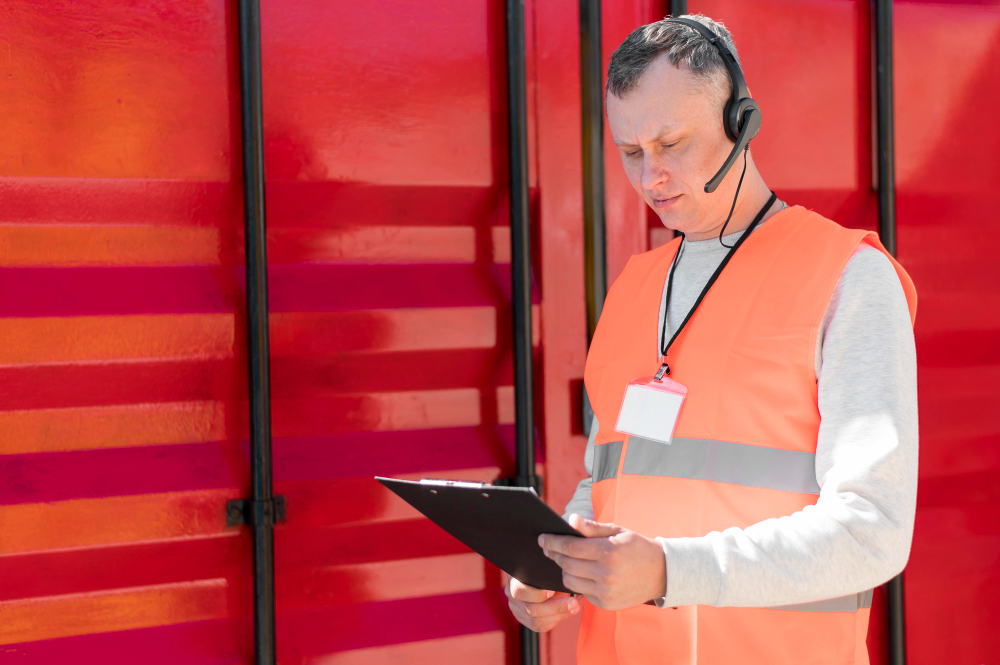

Every tanker operator has felt that familiar pre-inspection tension—the folders get thicker, the checklists longer, and yet the questions keep changing. With SIRE 2.0, inspections are no longer about ticking boxes; they are about proving day-to-day operational reality. This blog breaks down a practical, human-first readiness checklist that tanker operators can actually use.
The shift to SIRE 2.0 Inspection has fundamentally changed how vessels are evaluated. Inspectors now look beyond documents and focus on crew behavior, safety culture, and consistency between records and real operations. Preparation, therefore, needs a different mindset.
Understanding What SIRE 2.0 Really Tests
SIRE 2.0 was introduced by OCIMF to improve transparency and reduce the gap between written procedures and onboard reality. Unlike earlier regimes, inspectors can select inspection paths dynamically, meaning no two inspections look the same. According to OCIMF guidance, this approach aims to reflect “normal shipboard operations” rather than staged compliance (ocimf.org).
In simple terms, the system asks one big question: Is this vessel consistently safe, or just well-documented?
Core SIRE 2.0 Inspection Readiness Checklist
1. Crew Familiarity Beats Perfect Paperwork
Inspectors increasingly engage directly with officers and ratings. A polished manual means little if the crew hesitates when asked about routine tasks. Operators should ensure:
- Officers can clearly explain critical operations in their own words
- Ratings understand safety barriers relevant to their daily roles
- Drills feel routine, not rehearsed for show
A useful rule of thumb: if the answer sounds memorized, it probably raises a red flag.
2. Consistency Across Logs, Equipment, and Behavior
One of the fastest ways to lose credibility is inconsistency. Inspectors cross-check records against physical conditions and crew responses. Focus areas include:
- Maintenance logs matching actual equipment condition
- Risk assessments aligned with ongoing tasks
- Permit-to-work systems actively used, not archived
The U.S. Coast Guard has repeatedly emphasized that operational inconsistencies are a leading cause of inspection findings (uscg.mil).
3. Safety Culture Is No Longer Abstract
Safety culture used to be a buzzword. Under SIRE 2.0, it’s observable. Inspectors note small things: housekeeping standards, PPE habits, and whether near-miss reporting feels genuine or forced. According to industry safety studies published by Lloyd’s Register, vessels with active near-miss reporting experience fewer serious incidents over time (lr.org).
Mid-Inspection Focus: Vetting Beyond the Obvious
This is where many operators feel the pressure of a SIRE vetting inspection. Inspectors may follow operational “threads”—starting with a simple question and drilling deeper. For example, a ballast operation discussion may expand into training records, stability awareness, and emergency preparedness.
To stay ahead:
- Train crew to explain why procedures exist, not just how
- Encourage honest responses—“I’ll check” is better than guessing
- Conduct internal audits that mimic real inspection conversations
Technology and Documentation: Use, Don’t Display
Digital PMS, ECDIS, and safety apps are common, but inspectors care about usage, not ownership. If alarms are routinely overridden or records auto-filled, the system becomes a liability. Many operators now conduct quarterly “evidence walks” to ensure systems reflect real actions—a simple but effective habit.
Frequently Asked Questions
1. What makes SIRE 2.0 inspections different from earlier versions?
SIRE 2.0 focuses on real operational behavior rather than fixed checklists, allowing inspectors to adapt questions based on observations.
2. How long should a vessel prepare for a SIRE 2.0 inspection?
Effective preparation is continuous. Most operators start structured readiness reviews at least 3–6 months in advance.
3. Are minor non-conformities treated more seriously under SIRE 2.0?
Yes, repeated “minor” issues can indicate systemic weaknesses and attract deeper scrutiny.
4. Can internal audits really improve inspection outcomes?
Absolutely. Audits that simulate real inspector behavior help crews respond naturally and confidently.
Final Thoughts
SIRE 2.0 inspection readiness is less about perfection and more about authenticity. Vessels that operate safely every day, communicate openly, and treat procedures as living tools—not paperwork—tend to stand out for the right reasons. In today’s vetting landscape, consistency is the new compliance.
Full Audio: Listen Here