
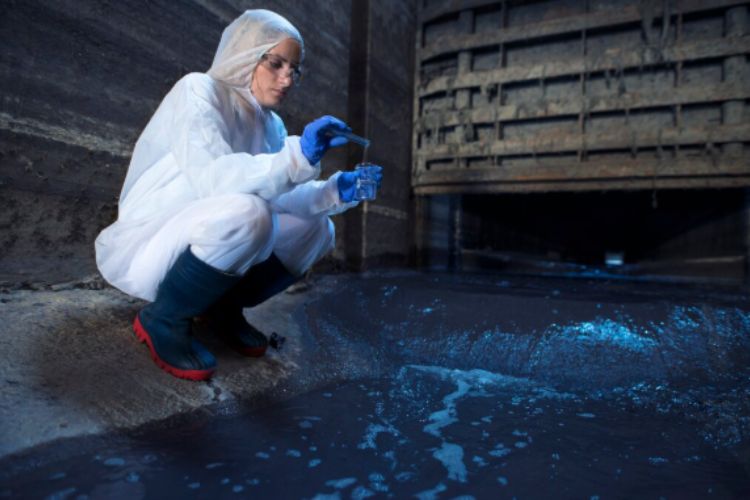

As the world grapples with increasing water scarcity and pollution, the demand for effective wastewater management solutions has never been more critical. Effluent treatment plants are at the forefront of this challenge, employing innovative technologies to ensure that treated water meets regulatory standards and is safe for reuse. In this blog post, we will explore the latest advancements in effluent treatment technologies and highlight key suppliers in the industry.
Current Trends in Effluent Treatment Technologies
The wastewater treatment sector is experiencing a technological renaissance, with several cutting-edge solutions emerging. Here are some of the most notable trends:
1. Advanced Oxidation Processes (AOPs)
AOPs utilize strong oxidants to decompose organic pollutants in wastewater, enhancing treatment efficiency while minimizing chemical usage. This method is particularly effective for breaking down complex contaminants that are resistant to traditional treatment methods.
2. Membrane Bioreactors (MBRs)
Combining biological treatment with membrane filtration, MBRs deliver high-quality effluent and significantly reduce the physical footprint of treatment facilities. This technology is gaining traction in both municipal and industrial applications due to its efficiency and effectiveness.
3. IoT and Smart Monitoring
The integration of Internet of Things (IoT) devices in effluent treatment plants has transformed operational management. Real-time monitoring and data analytics allow for improved operational efficiency and predictive maintenance, leading to a more sustainable approach to wastewater management.
Supporting Statistics
The global market for wastewater treatment technologies is projected to reach $500 billion by 2025, growing at a CAGR of 6.5% (Source: Market Research Future). Additionally, the adoption of IoT in water management can lead to a 20-30% reduction in operational costs for treatment facilities (Source: Deloitte).
Major Challenges in Effluent Treatment
Despite the advancements in technology, the industry faces significant challenges, particularly in terms of regulatory compliance. Navigating the complex and evolving regulatory landscape for effluent discharge standards often requires continuous investment in technology upgrades and staff training. This can be a burden for many businesses, making it essential to partner with reliable effluent treatment plant suppliers who can provide the latest solutions.
Tool Spotlight: Innovative Technologies
Several tools are leading the charge in wastewater treatment innovation. For instance, ChatGPT can assist in generating compliance documentation and operational protocols, while Google Gemini can analyze large datasets to optimize treatment processes. These tools enhance decision-making and operational efficiency in treatment plants.
FAQs
1. What are the benefits of using Advanced Oxidation Processes (AOPs)?
AOPs are beneficial because they effectively break down complex organic pollutants that are often resistant to conventional treatment methods. This leads to improved effluent quality and reduced chemical usage, making the treatment process more sustainable.
2. How do Membrane Bioreactors (MBRs) work?
MBRs combine biological treatment with membrane filtration. The biological process breaks down contaminants, while the membrane filtration ensures that the treated water is of high quality, making MBRs suitable for various applications, including municipal and industrial wastewater treatment.
3. What role does IoT play in wastewater management?
IoT devices enable real-time monitoring of effluent treatment processes, allowing for data analytics that can enhance operational efficiency. This technology helps in predictive maintenance, reducing downtime and operational costs.
4. Why is regulatory compliance a challenge for effluent treatment plants?
Regulatory compliance is challenging due to the constantly evolving standards for effluent discharge. Treatment plants must continuously invest in technology and training to meet these standards, which can strain resources and budgets.
5. What are some eco-friendly effluent treatment systems?
Eco-friendly effluent treatment systems include technologies like constructed wetlands and anaerobic digestion, which utilize natural processes to treat wastewater. These systems often have lower environmental impacts and can produce renewable energy or valuable byproducts.
Conclusion
The landscape of wastewater treatment is rapidly evolving, with new technologies emerging to address the pressing challenges of water pollution and scarcity. By partnering with leading effluent treatment plant manufacturers, businesses can leverage these advancements to enhance their wastewater management practices and ensure compliance with regulatory standards.
Blog Development Credits
This blog post was developed with insights from AI tools like ChatGPT and Google Gemini, and optimized by Plizma Technology.


