
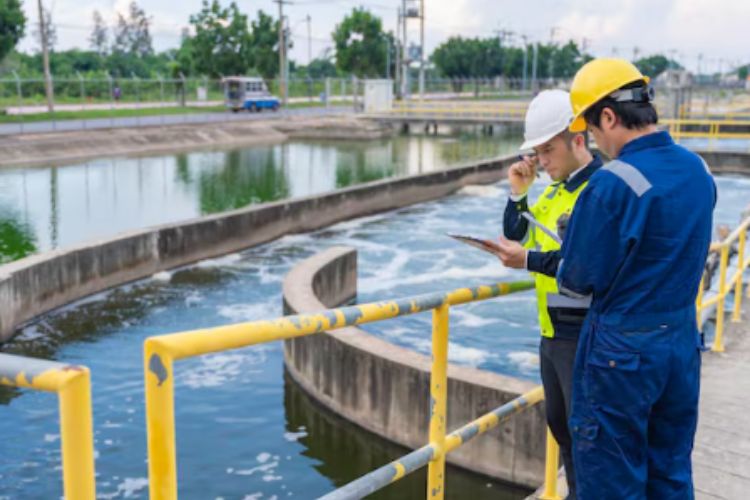

Clean water doesn’t happen by accident it’s the result of strict processes, smart design, and compliance done right. When choosing a sewage treatment plant provider, compliance standards often matter more than shiny technology brochures. They quietly decide whether a plant runs smoothly for years or becomes a regulatory headache within months.
Why Compliance Is the Backbone of Sewage Treatment?
Sewage treatment plants operate at the intersection of public health, environmental protection, and infrastructure. A minor lapse say, untreated discharge or poor sludge handling can have outsized consequences. Regulatory bodies worldwide emphasize this. For instance, the U.S. Environmental Protection Agency (EPA) highlights that consistent compliance directly reduces waterborne disease risks and ecosystem damage.
Leading providers don’t treat compliance as a checklist; they build it into system design, daily operation, and long-term maintenance.
Core Compliance Standards Followed by Reputed Providers
1. Effluent Discharge Norms
One of the most visible compliance areas is treated water quality. Parameters such as BOD, COD, TSS, and pH must stay within permissible limits before discharge or reuse. These benchmarks are often aligned with guidelines issued by environmental authorities like the Central Pollution Control Board (CPCB) in India.
- Consistent monitoring of inlet and outlet water
- Automated sampling and data logging
- Emergency response protocols for deviations
2. Design and Engineering Standards
Compliance begins long before water enters the plant. Structural integrity, hydraulic design, and process selection must meet national and international engineering codes. Reputed providers follow standards such as IS codes or equivalent global benchmarks to ensure safety, efficiency, and scalability.
This is where experienced engineering teams quietly make a difference anticipating load variations, future capacity expansion, and operational stress.
Operational Compliance: Where Theory Meets Reality
Many plants look compliant on paper but struggle during real-world operation. Leading sewage treatment plant vendors focus heavily on operational discipline.
Key Operational Compliance Practices
- Documented Standard Operating Procedures (SOPs)
- Trained operators with safety certifications
- Routine audits and preventive maintenance schedules
According to guidance from the World Health Organization (WHO), operational oversight is just as critical as technology choice when it comes to wastewater safety and reuse.
Environmental and Worker Safety Standards
Compliance isn’t only about water quality it’s also about people and the environment. Leading providers implement safety measures to protect workers from exposure to gases like hydrogen sulfide, while also managing odor, noise, and sludge responsibly.
Common Safety and Environmental Measures
- Gas detection and ventilation systems
- Sludge stabilization and safe disposal methods
- Personal protective equipment (PPE) protocols
These practices align closely with occupational safety recommendations from bodies such as OSHA, even when local regulations are less explicit.
Documentation, Audits, and Transparency
Another hallmark of leading providers is documentation. Compliance records, test reports, calibration logs, and audit trails aren’t treated as paperwork burdens they’re treated as proof of accountability.
Well-documented plants are easier to inspect, easier to upgrade, and far less stressful to manage during regulatory reviews.
FAQs
1. Why are compliance standards important for sewage treatment plants?
They ensure treated water is safe for discharge or reuse, protect public health, and prevent legal or environmental penalties.
2. Do all sewage treatment plant providers follow the same standards?
Core standards are similar, but leading providers often exceed minimum requirements through better design, monitoring, and documentation.
3. How often should compliance audits be conducted?
Most experts recommend internal checks monthly and formal audits at least annually, depending on regulations.
4. Can a non-compliant STP be upgraded?
Yes, but upgrades are usually more costly than building compliance into the original design.
Final Thoughts
Compliance is rarely glamorous, but it’s the quiet force that keeps sewage treatment plants reliable, legal, and environmentally responsible. Choosing a provider that respects standards today saves countless operational and regulatory headaches tomorrow.