
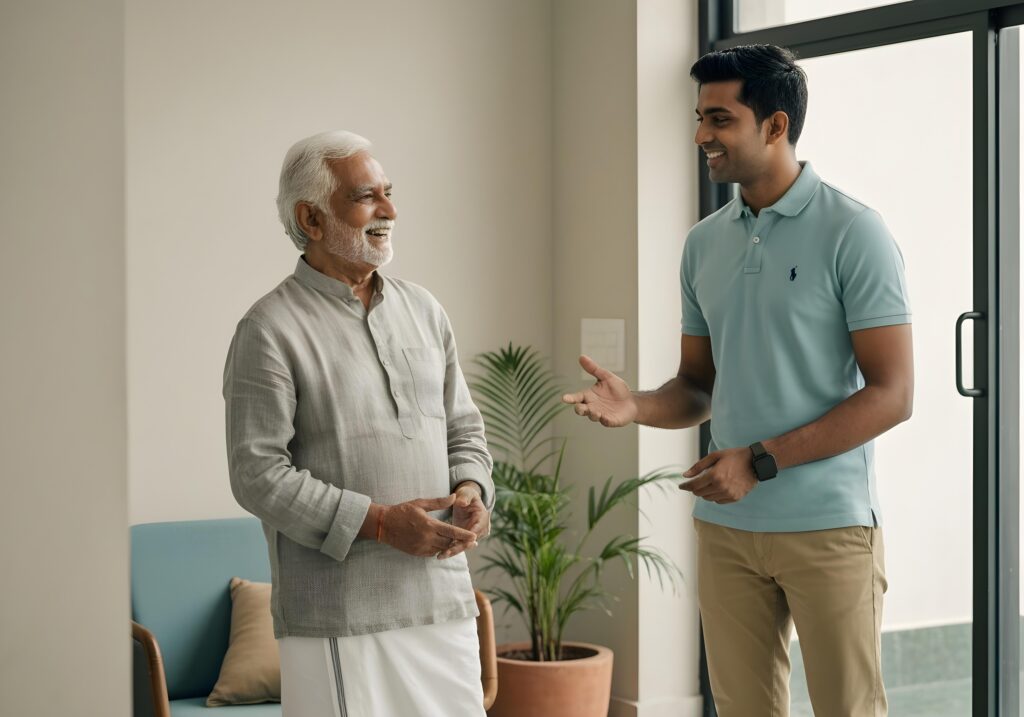

Recovery rarely follows a straight line—especially in a city like Kolkata, where family life, traffic, and daily routines shape how we heal. Have you ever noticed how people seem to recover better when they’re comfortable, understood, and truly listened to? That’s where personalized home-based care quietly changes the game.
In recent years, home health care service models have evolved beyond basic nursing visits. They now focus on tailoring medical attention around the patient’s lifestyle, emotional needs, and recovery pace—something traditional clinical settings often struggle to offer.
Why Personalization Matters in Recovery?
No two recoveries look alike. A senior managing post-surgical pain in Salt Lake has different needs from a working professional healing after an injury in South Kolkata. Personalized home health care adapts treatment plans based on age, home environment, cultural habits, and even family involvement.
According to reinterpreted findings from the U.S. Centers for Medicare & Medicaid Services (cms.gov), patients receiving individualized care at home often show lower readmission rates and better adherence to treatment plans. It’s not magic—it’s alignment.
Comfort Isn’t a Luxury, It’s Clinical
Healing at home reduces stress hormones, improves sleep quality, and helps patients stick to medication schedules. In Kolkata’s close-knit households, this familiar setting can be a powerful recovery catalyst.
- Familiar routines: Meals, prayer times, and daily habits remain uninterrupted.
- Lower infection risks: Fewer hospital visits mean reduced exposure.
- Emotional reassurance: Family presence often accelerates mental recovery.
How Customized Care Plans Improve Outcomes?
Personalized home health care is not just about convenience—it’s about precision. Care teams assess mobility, nutrition, medication tolerance, and emotional well-being before designing a plan.
Research summarized by the National Institutes of Health (nih.gov) suggests that individualized rehabilitation and monitoring significantly improve functional recovery, especially for elderly patients and those with chronic conditions.
Where Doctor Visits Become Truly Personal?
Midway through recovery, many patients benefit from a doctor at home service. These visits allow physicians to see real-world factors—like stair access, ventilation, or caregiver availability—that directly affect healing.
This context helps doctors fine-tune medications, suggest practical lifestyle changes, and catch small issues before they escalate.
- Real-time observation: Doctors assess the patient’s actual living conditions.
- Better communication: Family members can ask questions openly.
- Faster adjustments: Treatment changes happen without delays.
Kolkata-Specific Benefits You Can’t Ignore
In a city where commuting to hospitals can take hours, home-based recovery saves energy—literally. Personalized care also respects cultural preferences, whether it’s diet modifications, language comfort, or traditional routines.
For patients managing post-operative recovery, elder care at home, or chronic illness management, personalized plans reduce burnout for both patients and caregivers.
- Continuity of care: Same caregivers build trust over time.
- Flexible scheduling: Appointments adapt to family life.
- Holistic focus: Physical recovery aligns with emotional well-being.
FAQs
1. Is personalized home health care suitable for elderly patients?
Yes. Personalized care is especially effective for seniors, as it adapts to mobility limits, chronic conditions, and emotional needs within a familiar environment.
2. How does home-based care reduce hospital readmissions?
By closely monitoring recovery signs, medication adherence, and daily habits, caregivers can address issues early—often preventing complications that lead to readmission.
3. Can home health care handle post-surgical recovery?
Absolutely. Many recovery protocols, including wound care and physiotherapy, are safely and effectively managed at home under professional supervision.
4. Is personalized care more expensive than hospital care?
In many cases, it’s more cost-effective due to fewer hospital stays, reduced travel costs, and quicker recovery timelines.
Final Thoughts
Recovery isn’t just about medicine—it’s about context, comfort, and connection. Personalized home health care brings all three together, making healing more humane and effective for Kolkata’s diverse families. Sometimes, the best place to get better is right where you already belong.
Full Audio: Listen Here