
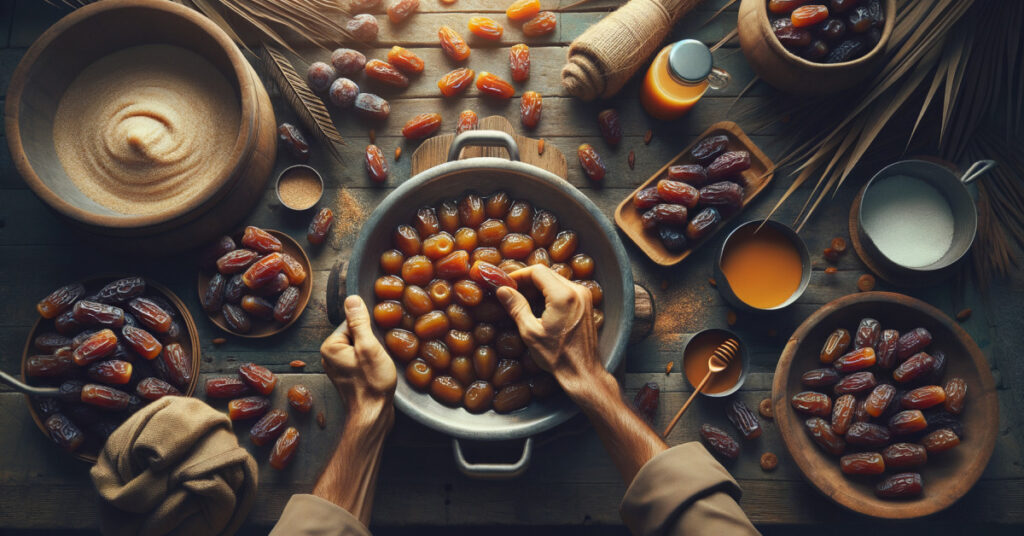

West Bengal is renowned for its rich culinary heritage, and at the heart of this tradition lies a unique sweetener known as Nolen Gur. This natural jaggery, derived from the sap of date palms, is not only a staple in Bengali households but also a symbol of the region’s vibrant food culture. The journey of Nolen Gur from the date palm to delicious desserts is a fascinating tale that intertwines sustainability, health consciousness, and culinary innovation.
The Harvesting Process of Nolen Gur
The process of making Nolen Gur begins with the careful tapping of date palms during the winter months. Skilled artisans climb these tall trees to collect the sap, which is then boiled down to create the rich, caramel-like jaggery. This traditional method not only preserves the flavor but also supports local economies. Sustainable sourcing practices are becoming increasingly important, ensuring that the harvesting of date palms does not harm the environment.
Nolen Gur in Bengali Desserts
Once harvested, the best nolen gur in West Bengal finds its way into a variety of delectable desserts. From the classic “Nolen Gur Sandesh” to the indulgent “Nolen Gur Pitha,” this sweetener adds a distinctive flavor that is hard to replicate. Chefs and home bakers alike are now experimenting with Nolen Gur in modern recipes, incorporating it into gourmet desserts, ice creams, and beverages, thus broadening its appeal.
Health Benefits of Nolen Gur
As consumers become more health-conscious, the demand for natural sweeteners like Nolen Gur is on the rise. Unlike refined sugars, Nolen Gur is rich in minerals and vitamins, making it a healthier alternative. It is also known for its potential to boost energy levels and improve digestion, which adds to its popularity in both traditional and modern culinary practices.
Challenges in the Nolen Gur Supply Chain
Despite its popularity, the Nolen Gur industry faces significant challenges. Supply chain issues often arise due to seasonal variations in date palm sap production. Additionally, the lack of modern processing facilities can impact the availability and pricing of this beloved sweetener. Addressing these challenges is crucial for ensuring that Nolen Gur remains accessible to consumers.
Real-World Example: Culinary Innovation
Many chefs are now incorporating Nolen Gur into their menus, creating dishes that celebrate this traditional sweetener. For instance, a popular restaurant in Kolkata has introduced a Nolen Gur-infused panna cotta, showcasing how this ingredient can elevate modern desserts while honoring its roots in Bengali cuisine.
FAQs
1. What is Nolen Gur?
Nolen Gur is a type of jaggery made from the sap of date palms, primarily produced in West Bengal. It has a unique flavor profile that is sweeter and more complex than regular jaggery.
2. How is Nolen Gur used in Bengali cuisine?
Nolen Gur is used in a variety of Bengali sweets and desserts, such as Sandesh, Pitha, and Payesh. It adds a distinct flavor and richness to these traditional dishes.
3. What are the health benefits of Nolen Gur?
Nolen Gur is considered a healthier alternative to refined sugars. It contains essential minerals and vitamins and is known to aid digestion and boost energy levels.
4. How is Nolen Gur harvested?
The harvesting of Nolen Gur involves tapping date palms for their sap, which is then boiled down to create jaggery. This process is traditionally done by skilled artisans during the winter months.
5. What challenges does the Nolen Gur industry face?
The Nolen Gur industry faces challenges such as supply chain issues due to seasonal production and a lack of modern processing facilities, which can affect availability and pricing.
Conclusion
The journey of Joynagar nolen gur from the date palm to dessert is a testament to the rich culinary traditions of West Bengal. As consumers increasingly seek healthier alternatives, the popularity of this unique sweetener continues to grow. By embracing sustainable practices and innovative culinary applications, Nolen Gur is poised to remain a beloved ingredient in Bengali cuisine for generations to come.
Blog Development Credits
This blog was developed with insights from AI tools like ChatGPT and Google Gemini, and optimized by Joynagar.