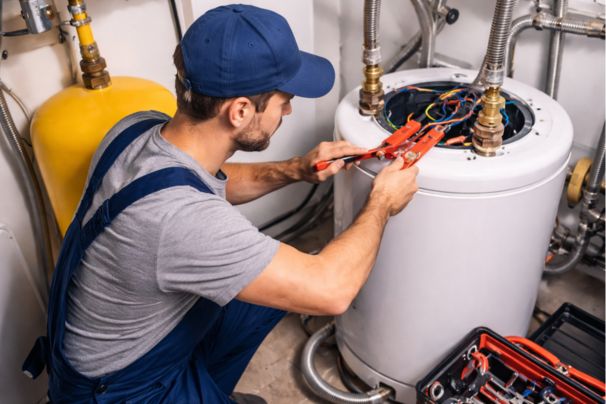

Ever stepped into the shower expecting warmth and got an icy surprise instead? Water heater issues rarely arrive with a dramatic breakdown. More often, they whisper—through strange noises, lukewarm water, or rising energy bills. The trouble is, most homeowners ignore these early signs until the damage is already done. Knowing when to Fix Water Heater issues quickly can save money, stress, and a whole lot of cold showers.
The Silent Nature of Water Heater Problems
Unlike a burst pipe or a complete power outage, water heater problems tend to creep in slowly. Because hot water still “kind of” works, many people delay action. Unfortunately, that delay often turns a small, affordable repair into a full replacement. According to the U.S. Department of Energy, inefficient water heaters can account for nearly 18% of a home’s energy use, making neglect a costly habit (energy.gov).
Also Read: A Guide You Can’t Miss on the Components of the Supply Pump
Common Water Heater Problems Homeowners Overlook
1. Inconsistent Water Temperature
If your water temperature swings from hot to cold without warning, it’s not “just one of those things.” This often points to a failing thermostat or sediment buildup inside the tank. These are early-stage issues that are usually straightforward to repair—if addressed promptly.
2. Strange Noises from the Tank
Popping, rumbling, or knocking sounds are classic signs of sediment hardening at the bottom of the tank. Over time, this forces the heater to work harder, increasing wear and energy consumption. Left untreated, it can shorten the unit’s lifespan dramatically.
3. Slow Hot Water Recovery
Waiting longer than usual for hot water? That’s often a heating element beginning to fail. Many homeowners adapt their routines instead of fixing the problem, not realizing a quick service call could restore performance immediately.
- Longer heating times usually mean higher electricity or gas bills
- Minor component failures tend to cascade if ignored
- Early repairs cost far less than emergency replacements
Why Ignoring Small Issues Gets Expensive
Water heaters operate under constant pressure and heat. Small inefficiencies compound quickly. A minor leak can lead to corrosion, which then weakens the tank walls. By the time water pools on the floor, replacement is often the only option. Consumer reports consistently note that proactive maintenance can extend appliance life by several years (consumerreports.org).
Energy Bills Don’t Lie
A struggling water heater consumes more energy to deliver the same results. If your utility bills have crept up without a clear reason, your heater might be the culprit. Interestingly, the same principle applies to cooling systems—inefficiency anywhere in the home adds up. That’s why many homeowners bundle plumbing checks with AC Maintenance Services Dubai, tackling multiple energy drains at once.
When DIY Isn’t the Smart Move
It’s tempting to treat water heater problems like a DIY weekend project. While flushing a tank or adjusting temperature settings can be safe, internal electrical or gas components require professional handling. One wrong move can void warranties—or worse, create safety risks.
- Gas heaters involve combustion and ventilation risks
- Electrical heaters carry shock hazards
- Improper repairs may violate local safety codes
Professional Help Makes a Difference
Experienced technicians don’t just repair what’s broken—they spot what’s about to fail. This preventative approach is why many homeowners rely on the Best Plumbing Services in Dubai for long-term peace of mind rather than quick fixes.
FAQs
How fast should I fix water heater issues?
Ideally, as soon as symptoms appear. Addressing problems early often turns a potential replacement into a simple, affordable repair.
Is noise from my water heater always serious?
Not always, but it’s never something to ignore. Persistent noises usually indicate sediment buildup or component strain.
Can regular maintenance really extend heater life?
Yes. Annual inspections and flushing can add years to a unit’s lifespan and improve efficiency.
Should I replace an old but working water heater?
If it’s over 10–12 years old and showing efficiency issues, proactive replacement can prevent sudden failure and water damage.
Final Thoughts
Water heater problems don’t fix themselves—they quietly grow. Paying attention to early warning signs and acting fast protects your comfort, budget, and home. When in doubt, a quick inspection today is far better than an emergency tomorrow.
Also Read: When Cooling Fails: Spotting AC Trouble Early
Blog Development Credits
This blog was a team effort fueled by smart ideas. Ghumman Star Technical Services picked the topic. Most content was crafted using tools like ChatGPT and Google Gemini.