
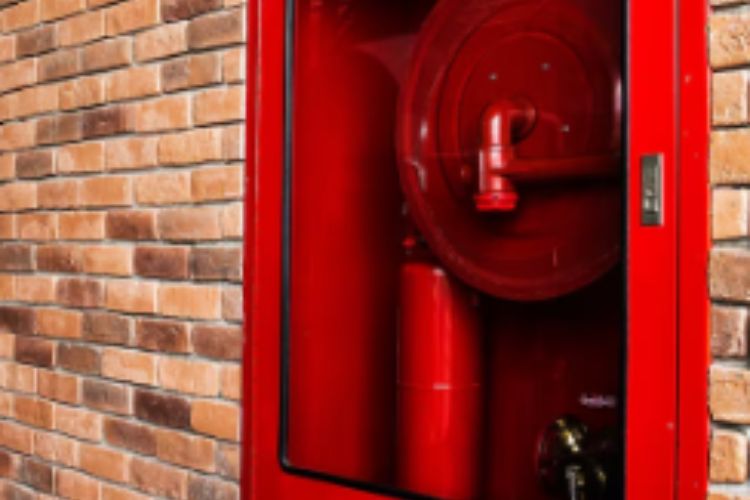

Handling hazardous materials in industrial or laboratory environments is always a high-stakes challenge. Storing flammable liquids or reactive chemicals without proper precautions can lead to devastating accidents. A well-designed Fire Cabinet is a cornerstone of safety, protecting both personnel and property by containing fire risks and reducing chemical exposure.
Why Fire Cabinets Are Crucial for Hazardous Materials?
Fire cabinets are not just metal boxes—they are engineered safety solutions. According to the National Fire Protection Association (NFPA.org), storing flammable liquids in approved safety cabinets reduces the likelihood of ignition, slows fire spread, and gives emergency responders valuable time to react. Whether in laboratories, workshops, or industrial plants, proper storage is essential for regulatory compliance and real-world safety.
Key Features of Fire Cabinets
- Fire-resistant construction: Typically 18–22 gauge steel with insulation to resist heat transfer.
- Spill containment: Built-in sump or tray to capture leaks and prevent chemical contact with floors.
- Self-closing doors: Automatic door closure minimizes exposure during a fire.
- Ventilation options: Adjustable vents help reduce fume accumulation while maintaining fire safety.
Common Mistakes in Storing Hazardous Materials
Even the best fire cabinets fail if used incorrectly. Here are common errors:
- Overloading shelves, compromising weight limits.
- Mixing incompatible chemicals, increasing reaction risks.
- Blocking vents, which prevents proper fume control.
- Placing cabinets near heat sources or exits, violating safety codes.
Choosing the Right Flammable Safety Cabinet
Selecting a flammable safety cabinet requires understanding both your material types and operational workflow. Cabinets are rated by capacity (in gallons or liters), fire resistance duration (e.g., 30 or 60 minutes), and compliance with local safety standards such as OSHA or NFPA 30. A well-chosen cabinet reduces risk and ensures efficient storage without sacrificing accessibility.
Additional Tips for Optimal Safety
- Label shelves clearly by chemical type and hazard class.
- Keep frequently used chemicals at eye level to minimize handling.
- Ensure all personnel are trained in emergency protocols and cabinet use.
Maintenance and Longevity of Fire Cabinets
Maintaining a fire cabinet is as important as choosing the right one. Regular inspections, cleaning, and door-function checks prevent deterioration. Following Maintenance Tips for the Fire Safety Cabinet for Its Longevity ensures that your cabinet continues to meet safety standards and provides reliable protection over time.
Frequently Asked Questions
1. What types of hazardous materials can be stored in a fire cabinet?
Flammable liquids, corrosive chemicals, and certain reactive substances can be safely stored in approved fire cabinets.
2. How long can a fire cabinet withstand heat?
Fire cabinets typically offer 30 to 60 minutes of fire resistance, depending on manufacturer specifications and NFPA ratings.
3. Can fire cabinets be placed outdoors?
It is generally not recommended unless the cabinet is specifically designed for outdoor use and weatherproofed.
4. Do fire cabinets require professional installation?
While not always mandatory, professional installation ensures proper anchoring, compliance with safety standards, and optimal placement.
Final Thoughts
Fire cabinets are essential safety tools for anyone handling hazardous materials. From proper selection and correct storage to regular maintenance, each step reduces risk and safeguards both people and property. By understanding key features and avoiding common mistakes, organizations can create safer, more compliant workplaces. Investing in quality cabinets from trusted providers like United VCO ensures peace of mind and long-term protection.