
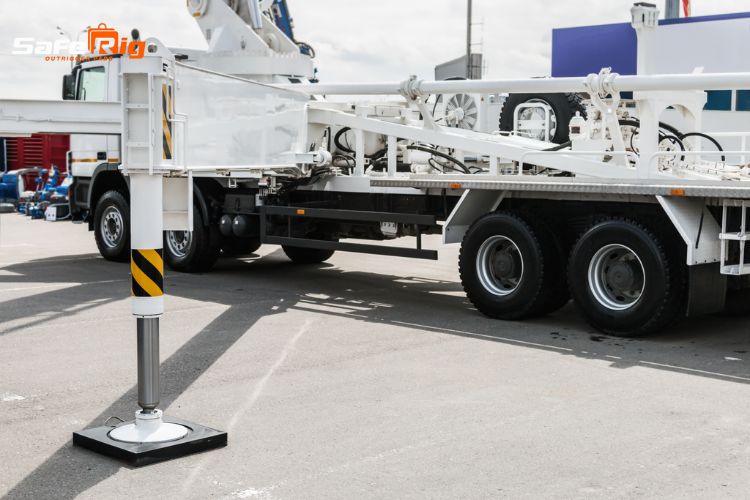

Buying crane accessories isn’t exactly dinner-table conversation, but if you’re responsible for site safety, it matters a lot. One wrong decision can lead to unstable lifts, damaged equipment, or worse. Many buyers searching for crane outrigger pads for sale in Saudi Arabia focus only on price, overlooking factors that quietly determine long-term safety and performance.
Saudi Arabia’s construction and industrial environments are unique hot climates, mixed soil conditions, and heavy-duty lifting demands. That makes choosing the right outrigger pads less about convenience and more about engineering judgment.
Why Choosing the Right Outrigger Pads Is Critical?
Outrigger pads are not accessories; they are load-distribution systems. According to construction safety guidance shared by OSHA, uneven ground pressure is a leading contributor to crane instability during lifts (reworded from osha.gov). When pads are undersized or poorly manufactured, ground bearing pressure spikes—and physics always wins.
Common Mistakes Buyers Often Make
1. Choosing Pads Based on Price Alone
Low-cost pads often look similar to premium ones—until they crack under load. Inferior materials deform faster, especially in high-temperature regions like Saudi Arabia. Cheap pads can end up costing more due to replacements, downtime, or safety incidents.
2. Ignoring Load Calculations
One-size-fits-all doesn’t apply here. Every crane has different outrigger loads depending on boom length, lift radius, and counterweights. Skipping proper load calculations is one of the most dangerous oversights.
- Ground conditions change across sites
- Different lifts generate different pressure points
- Pad surface area must match load demands
3. Overlooking Material Quality
High-quality outrigger pads are typically manufactured from engineered plastics like UHMWPE. These materials resist cracking, absorb impact, and perform consistently in extreme heat. Substandard composites, on the other hand, become brittle over time.
Mid-Project Switching: A Costly Error
Many contractors realize too late that their pads aren’t adequate usually after visible deformation or sinking occurs. Switching suppliers mid-project disrupts schedules and increases risk. Working with a reliable outrigger mats supplier in Saudi Arabia from the beginning ensures continuity and confidence.
Misunderstanding Ground Conditions
Sand, compacted soil, asphalt, and concrete all behave differently under pressure. According to geotechnical insights published by engineering institutions like ASCE (reworded from asce.org), improper load distribution on weak soil is a major cause of equipment instability.
Ground-related mistakes include:
- Using small pads on soft soil
- Skipping ground preparation entirely
- Assuming visible firmness equals strength
Not Verifying Compliance and Standards
Quality suppliers test pads for load capacity, durability, and slip resistance. Buyers sometimes skip asking for certifications or technical data sheets an avoidable risk. Understanding The Role of Support Systems in Preventing Equipment Failures helps decision-makers see pads as part of a larger safety ecosystem.
Ignoring Handling and Storage Practicalities
Oversized pads that are difficult to move often get “temporarily” replaced with smaller ones on site. That temporary shortcut can quickly become permanent and dangerous. Smart buyers consider weight, handles, and storage along with performance.
FAQs
1. What size outrigger pad should I use?
Pad size depends on crane load charts, ground bearing capacity, and lift configuration. Always calculate pressure per square meter before choosing.
2. Are plastic outrigger pads better than steel?
For most applications, engineered plastic pads perform better due to flexibility, lighter weight, and resistance to corrosion.
3. How long do quality outrigger pads last?
High-quality pads can last several years with proper use and storage, even in harsh climates.
4. Can one pad type work for all sites?
Not always. Sites with soft soil or uneven terrain may require larger or specialized pads.
Final Thoughts
Buying crane outrigger pads isn’t about ticking a procurement box it’s about protecting people, equipment, and timelines. Avoiding these common mistakes helps ensure safer lifts and smoother operations across Saudi Arabia’s demanding job sites.