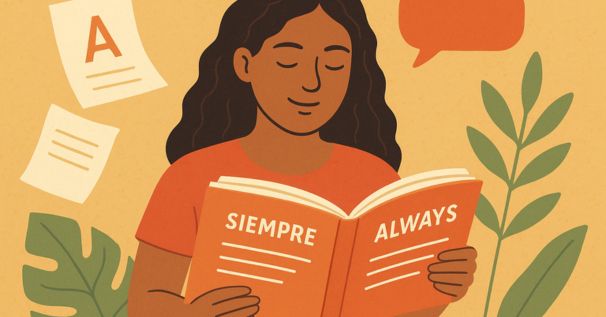

Have you ever tried learning a new language and suddenly realized that textbook grammar barely sticks? Stories, however, quietly carve words into memory. That’s exactly why bilingual storytelling has become a go-to learning method. And today, we’re diving into the world of bilingual tales—short Spanish stories translated into English, designed for curious learners of all ages.
If you’re looking to build vocabulary naturally, understand sentence flow, and enjoy cultural storytelling at the same time, you’ll love exploring
Spanish stories with English translation. The approach feels more like reading for fun than studying, and that’s honestly the secret sauce of effective language learning.
Also Read: The Neuroscience of Bilingual Language Learning
Why Bilingual Tales Work Better Than Memorizing Words
Imagine learning Spanish without the dry drills. You read a charming mini-story about a lost dog (“perro perdido”), see how the phrase appears in context several times, and suddenly it’s yours. Research from the U.S. Department of Education confirms that words learned in natural context are retained significantly longer than words memorized in isolation (source: ies.ed.gov).
That means bilingual stories don’t just teach vocabulary—they emotionally connect you to the language. It’s the difference between reading “casa” on a flashcard and visualizing a grandmother’s warm kitchen in a Spanish village.
What Makes These Short Spanish Stories So Effective?
Short bilingual stories pack learning into tiny, meaningful bites. They’re especially useful for beginners and intermediate learners because:
- They provide instant translation feedback without disrupting the flow.
- They highlight natural grammar patterns through real dialogue and narration.
- They introduce cultural elements (idioms, customs, humor) you won’t find in textbooks.
Many learners turn to Spanish lessons online to supplement this method. Paired with reading practice, lessons feel smoother because you’re no longer memorizing “rules” — you’re observing them in action.
Types of Bilingual Tales You Can Explore
You’ll find countless varieties of bilingual Spanish storytelling. Some popular categories include:
- Classic Folktales: Myths, legends, and traditional stories from Spain and Latin America.
- Modern Mini-Stories: Everyday anecdotes written in simple, playful language.
- Moral Tales for Kids: Short stories that are great for all ages because they use clear, concise Spanish.
When you pair emotional storytelling with comprehension, you naturally absorb tricky elements like verb conjugation, gender usage, and sentence connectors.
Tips to Get the Most Out of Bilingual Spanish Stories
- Read aloud: Hearing the sounds boosts pronunciation memory.
- Don’t over-translate: Try reading a sentence first, then check English if needed.
- Journal new phrases: Write short lines using new verbs and vocabulary.
- Re-read: Repetition in different moods and times of day reinforces retention.
This small, consistent practice helps learners build confidence faster than traditional exercises. Plus, stories give context to common keywords such as reading comprehension in Spanish, easy Spanish vocabulary, and bilingual learning techniques.
FAQs About Bilingual Spanish Stories
1. Are bilingual stories suitable for beginners?
Yes. Short bilingual stories include immediate translations, making it very beginner-friendly without causing overwhelm.
2. How fast can I learn through Spanish story reading?
Consistency matters more than speed. Reading even 10 minutes daily can significantly improve vocabulary retention and context understanding.
3. Do I need prior grammar knowledge?
No. You can start with zero grammar skills. Grammar becomes easier once you encounter it naturally through stories.
4. Can kids and adults use the same bilingual stories?
Absolutely. Many stories are written with universal themes, making them perfect for learners of any age.
Final Thoughts
Bilingual tales turn language learning into a relatable, enjoyable experience. Instead of memorizing grammar tables, you’re smiling at a character’s dilemma or daydreaming through a cultural legend. And somewhere along the way—almost without trying—you’re thinking in Spanish. That’s the true magic of learning through storytelling.
Also Read: Master Spanish Faster with Simple Story Learning
Blog Development Credits
This blog was a team effort fueled by smart ideas. Dual Language Stories picked the topic. Most content was crafted using tools like ChatGPT and Google Gemini. The Digital Piloto team polished and optimized the blog to ensure it’s clear, engaging, and SEO-friendly.